Jasper Skyline Trail Gear: Packing for Alpine Exposure
The Jasper Skyline Trail is legendary for its massive stretches above the treeline. Because you are fully exposed to high winds and sudden alpine storms for 25 kilometers, you have to pack heavier, bulkier cold-weather gear than you would for a standard summer hike.
The Pack Dilemma for Jasper Skyline Trail Gear
The challenge is finding a backpack light enough for the steep ascent to The Notch, but roomy enough for synthetic layers, cold-weather sleeping bags, and an insulated tent.
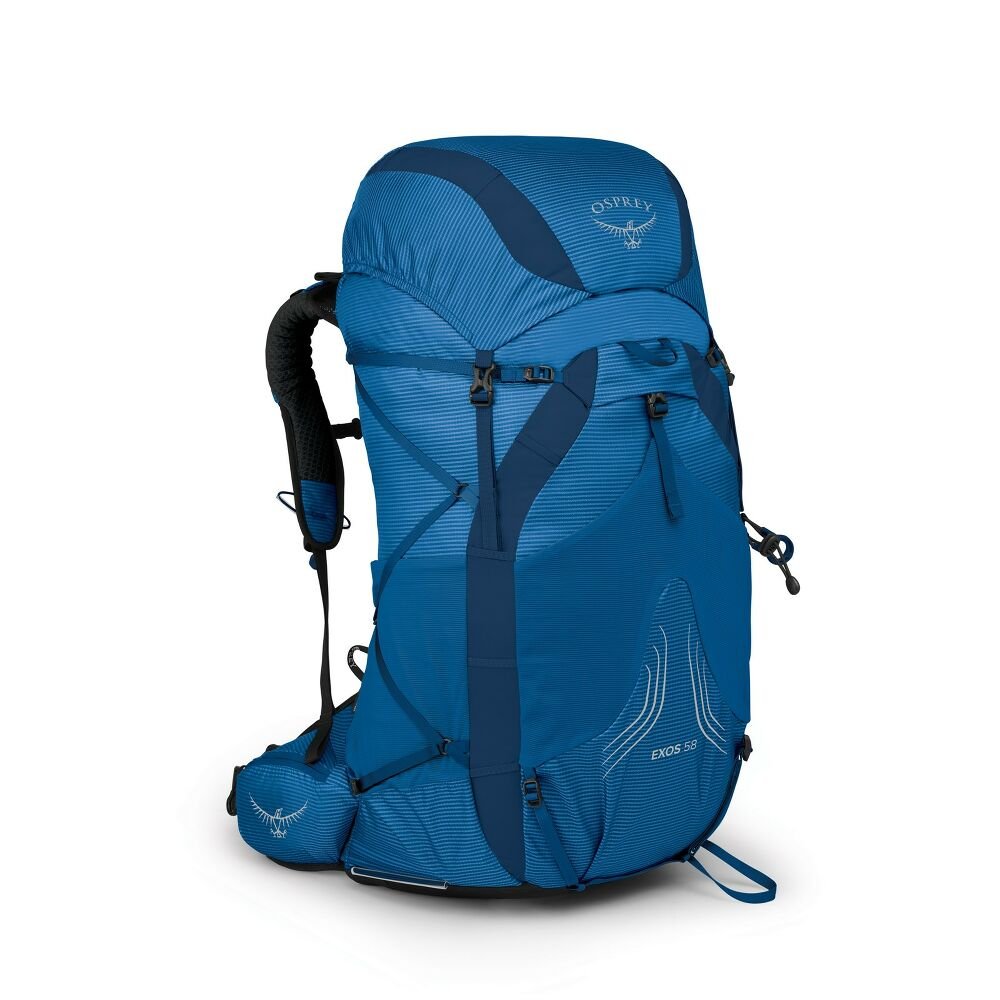
The Osprey Exos 58: At just 2.8 pounds, this pack is a prime candidate. Its 58-liter capacity easily swallows bulky cold-weather gear, while the giant stretch-mesh front pocket is perfect for quickly stashing a wind shell when the weather turns violent on the ridge. But what happens when you push this ultralight bag way past its weight limit with heavy gear? I recently loaded the Exos 58 with 55 pounds of excess weight to find out exactly where it fails.
The Insulation Dilemma for Jasper Skyline Trail Gear
The Jasper Skyline Trail forces you to sleep at high elevations where the ambient temperature plummets the moment the sun drops behind the Canadian Rockies. Up here, you lose body heat to the freezing ground infinitely faster than to the air. Your sleeping pad’s R-value is your only defense against hypothermia.
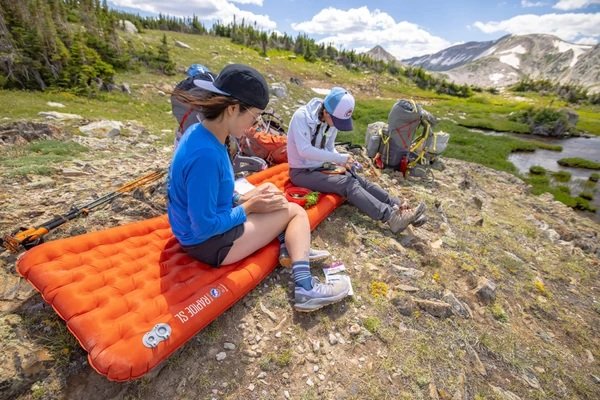
The Big Agnes Rapide SL Insulated: For this traverse, this pad is the mandatory choice. With a thermal R-value of 4.8, it uses dual layers of heat-reflective film and PrimaLoft insulation to completely block the freezing alpine earth from sapping your core temperature. Combined with a 3.5-inch thick baffled center, it guarantees deep sleep at high altitudes without the crinkling potato-chip noise of other ultralight pads.